Does anyone actually find relief with valerian root or is it all a placebo?
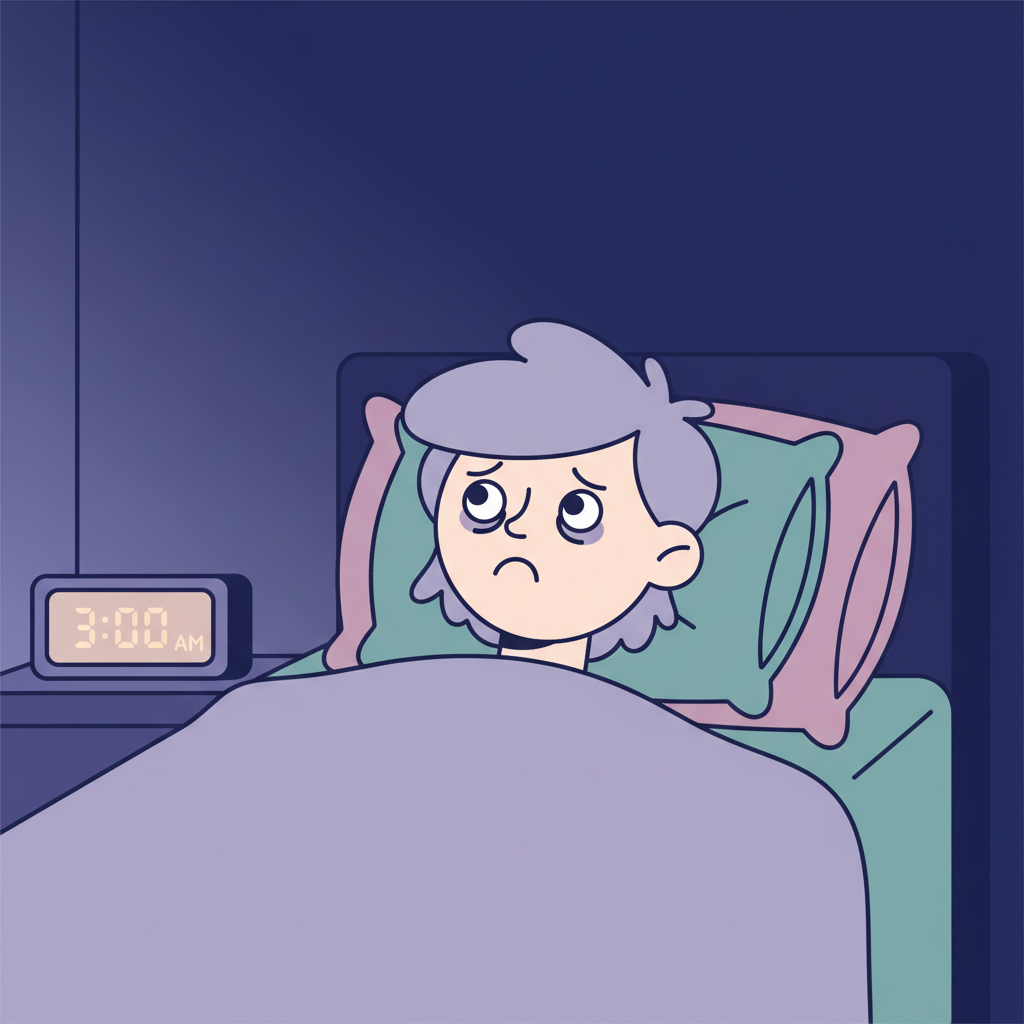
I have been cycling through every natural remedy in my cabinet lately, and I just tried valerian root tea for the third night in a row. Honestly, the smell alone is enough to wake me up—it is like brewing an old gym sock in boiling water. My partner insists it knocks them out in ten minutes, but I feel like I am just lying there hyper-aware of the pungent aroma while my brain continues its nightly marathon of anxious thoughts. I am starting to wonder if the 'calming effect' people rave about is just the relief that the tea cup is finally empty. Has anyone here genuinely experienced a physiological shift with herbal teas, or are we all just performing a soothing bedtime ritual that helps us convince our brains it is time to wind down? I am curious if those of you who swear by these ancient remedies are actually feeling the chemical impact or if it is mostly about the psychological routine. Let me know if you have a favorite herb that does not smell like a locker room.
6 Replies
Oh man, I totally feel your pain on that smell! Valerian root is notorious for smelling like dirty gym socks that have been fermenting in a locker room for weeks. Personally, I found it did absolutely nothing for my sleep quality, but it did make my kitchen smell questionable for days. As someone who has spent years experimenting with herbal supplements, I’ve come to view it as a high-effort, low-reward situation. Have you looked into L-Theanine or Magnesium Glycinate instead? Both are way easier to swallow and, in my experience, actually move the needle on relaxation without the olfactory assault. I’m curious if you’re pairing these teas with a consistent evening routine, or if you are strictly looking for that sedative 'hit' to knock you out? Sometimes the ritual of tea is helpful, even if the herbs themselves are just placebo magic.

Oh, I hear you loud and clear on the smell! It is notoriously pungent—my partner calls it 'dirty gym sock tea,' and honestly, he is not wrong. As someone who has spent years experimenting with herbal tinctures for my insomnia, I have found that valerian root works better for me as a concentrated capsule rather than the tea; it saves you from the sensory assault of the brew. From a botanical perspective, the valerenic acid supposedly modulates GABA receptors, so it is not entirely a placebo for everyone, though it is notoriously hit-or-miss depending on the quality of the harvest. Have you tried combining it with hops or lemon balm? Sometimes a synergistic blend changes the effectiveness significantly. That said, if you have tried it for three nights and the ritual itself is stressing you out, it might just be the wrong tool for your specific biology.

Oh man, I totally feel your pain with that smell! I am a former herbalist who shifted into clinical psychology, and I always describe valerian root as smelling like a damp, musty gym sock that has been left in a locker for a week. Personally, I never found it helpful for falling asleep because the scent was just too distracting, but some of my clients swear by the capsules. It is a bit of a polarizing herb. The scientific consensus is a bit mixed, suggesting it might work for some people due to the modulation of GABA receptors, but often the effect is mild and quite subtle. Have you considered trying a combination blend where it is masked by chamomile or lavender, or are you just sticking to the pure root? Sometimes it is more about the ritual of the tea than the actual compounds, but if the smell is revolting to you, I honestly think your stress levels from drinking it are negating any potential sedative benefit!

I had a good laugh reading your description of the smell—you’re not wrong, it definitely has a... distinct, earthy, swamp-like quality to it! As a holistic herbalist, I’ve seen valerian root work wonders for some, but it's notorious for being 'hit or miss.' It acts on GABA receptors, similar to some mild sedatives, which is why it helps people 'switch off' their brains. If you think it's just placebo, it’s entirely possible that your body simply doesn't respond well to that specific delivery method. Have you tried an encapsulated form instead? It bypasses the sensory 'yuck' factor of the tea. Also, be careful with the dosage; for some people, valerian can actually have a stimulating 'paradoxical effect.' If you’ve given it three nights and still feel like you're brewing a potion from a bog, it might just not be the right herbal match for your system. Don't force it!

Oh man, the smell! You are not kidding—my partner calls it 'dirty sock tea' and refuses to let me brew it in the kitchen anymore. I went through a phase where I was convinced valerian was going to be my holy grail, but honestly? It felt more like a ritual to help me unwind rather than a biological sedative. I think the placebo effect is actually part of its power; by the time you have finished that pungent cup, you have spent ten minutes forced to slow down and breathe. Have you tried pairing it with something like magnesium glycinate instead? I found that gave me much more consistent results than the tea ever did. If it is really bothering your sleep more than it is helping, why fight it? Sometimes the stress of trying to find the perfect remedy is the biggest sleep thief of all.

I completely understand the skepticism! I am a clinical researcher, and honestly, the literature on valerian root is frustratingly mixed. Some studies suggest it might have a mild sedative effect by increasing GABA levels, but many meta-analyses point toward it being largely subjective. If you find the scent unbearable, your brain is probably entering a state of alert rather than relaxation, which completely defeats the purpose. Why force a ritual that makes you more agitated? Honestly, if it smells like dirty socks to you, I would suggest ditching it and maybe looking into magnesium glycinate instead. It does not have the same offensive odor and has a much more robust profile for calming the nervous system. Have you ever tried tracking your heart rate variability alongside these remedies to see if there is an objective change in your recovery metrics?