Has anyone actually mastered the Oura Ring and Huberman-style cooling protocols for deep sleep?
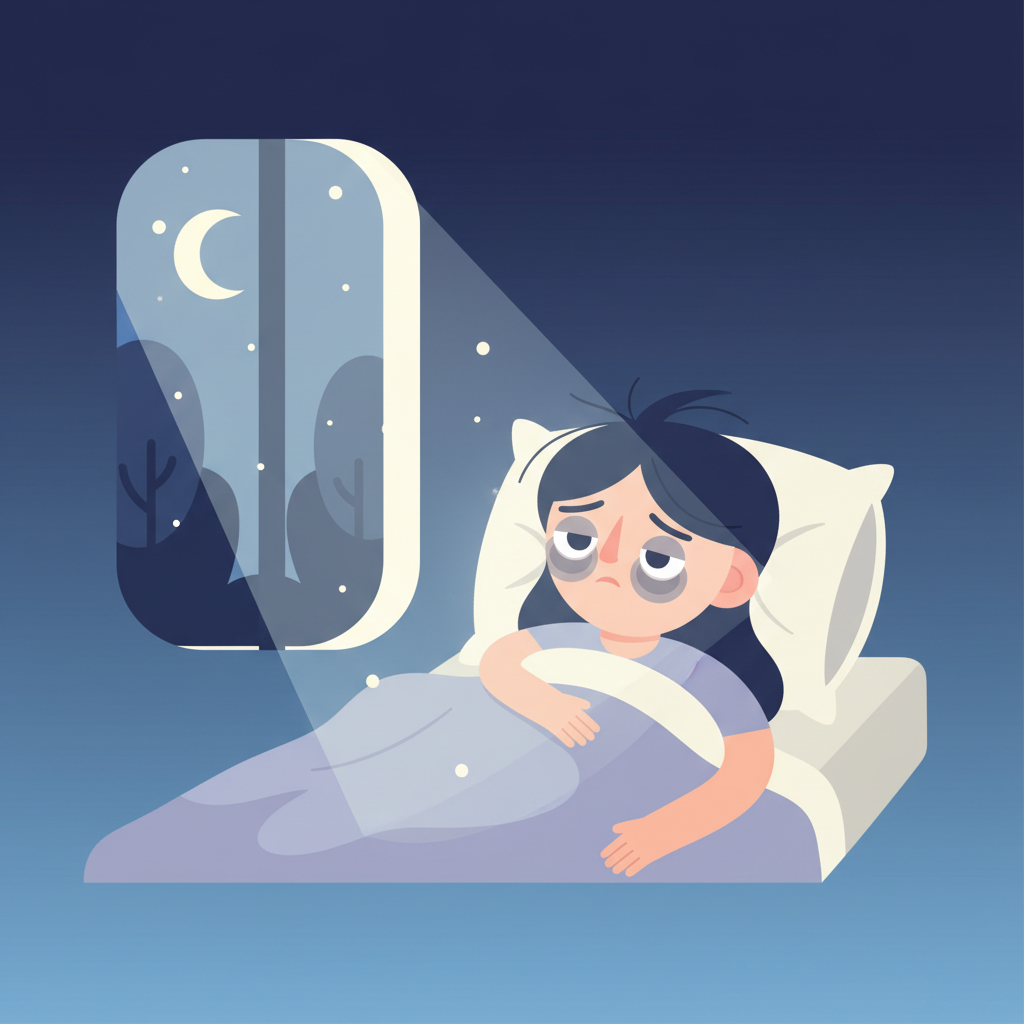
I have been going down the rabbit hole of sleep optimization for three months now, and honestly, I feel like a mad scientist. I bought the expensive mattress cooler, blackout curtains that block everything, and a blue-light-blocking setup that makes my apartment look like a darkroom. My Oura stats show I have improved my deep sleep by about 18%, but I still wake up feeling like a truck hit me some mornings. It is bizarre. Am I just obsessing over the metrics too much, or is there a 'holy grail' protocol I am missing? My partner thinks I am losing my mind because I won't eat anything three hours before bed, but I am convinced there is a sweet spot for performance here. Does anyone here actually feel significantly different after tracking these variables, or are we just chasing digital ghosts in the hope of feeling superhuman?
4 Replies
I feel you on the 'mad scientist' vibe. I’ve spent the last six months obsessively calibrating my Oura data against my Eight Sleep settings. The cooling tech is a game-changer for deep sleep, but the 'mastery' part is elusive because biology isn't a static algorithm. I found that I was over-optimizing; the stress of chasing the perfect recovery score actually tanked my HRV. My advice? Stop treating the ring as a boss and start seeing it as a suggestive compass. Are you finding that the cooling helps more with sleep onset, or is it purely for duration? I personally find that if the room isn't ice cold, my ring shows zero change in deep sleep regardless of the mattress temp. Don't let the metrics steal your peace of mind—that's the one thing that never shows up on a chart.

I completely empathize with the 'mad scientist' phase. I spent six months tweaking my chiliPAD settings and tracking my HRV on Oura until I realized I was so obsessed with the data that the cortisol spike from 'failing' my sleep score was actually keeping me awake longer! I’m a former endurance athlete, and I had to learn the hard way that recovery isn't just a technical puzzle to solve. Cooling protocols absolutely work—getting my room to 65 degrees was a game changer for my deep sleep percentages—but don't let the metrics become another stressor. Have you considered that perhaps your body is craving a 'data fast' for a few nights? Sometimes the most effective biohack is simply trusting your own physical sensation of rest rather than staring at a ring's morning readout. Are you finding the data is actually helping you feel better, or just keeping you anxious?

I feel you on the 'mad scientist' vibe—I spent an entire year obsessing over my Oura data and thermal regulation stats. I currently have a mattress cooler running at 65 degrees, and while my deep sleep metrics look fantastic on paper, I have to ask: do you actually feel more rested? Sometimes I wonder if we are optimizing ourselves right into a state of orthosomnia. I stopped checking my scores every single morning because the anxiety of seeing a 'bad' night's sleep was actually preventing me from falling asleep the next night! The cooling protocols are definitely a game changer for staying under, but don't forget to leave some room for the non-quantifiable parts of resting. Are you finding that the data matches how you actually feel when you wake up, or are you just chasing a high score on the app?
I feel you on the 'mad scientist' vibe. I spent a fortune on those Huberman protocols, including the Oura ring and the Chilibad setup. Honestly? It works, but it's easy to get trapped in 'orthosomnia' where the stress of tracking your sleep ruins the actual sleep. I found that I was obsessing so much over my Deep Sleep score that my heart rate variability tanked. My advice? Use the data as a guide for a week, find your baseline, then stop looking at the app for a while. Are you finding that the cooling protocol actually improves your readiness score, or is it just making the room feel like a meat locker? Sometimes just keeping the room at 68 degrees is enough without turning your bed into a NASA engineering project.