Has anyone actually perfected the WBTB method without accidentally staying awake for three hours?
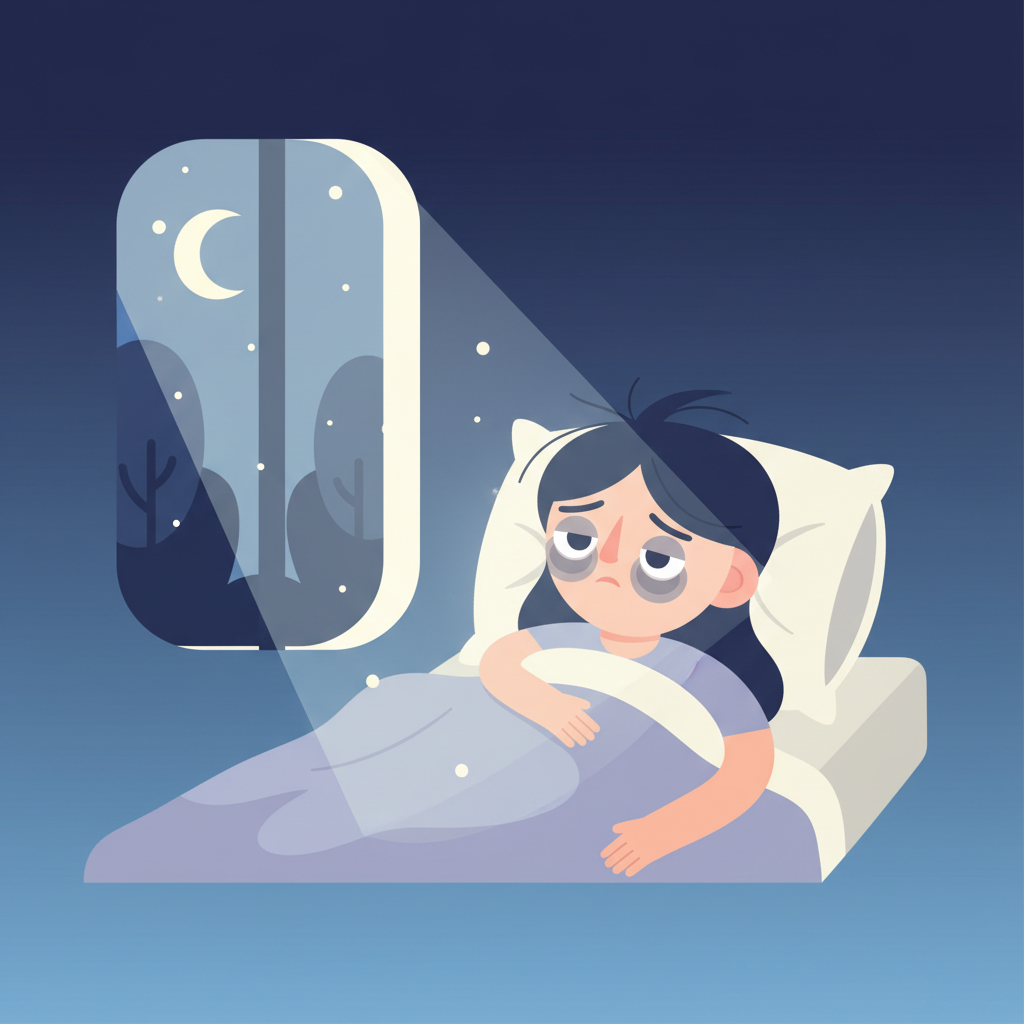
I have been trying to master Wake Back To Bed for the last month, and honestly, it is a rollercoaster. I set my alarm for four hours after hitting the pillow, but the moment I sit up to write in my dream journal, my brain decides it is time to start planning my entire upcoming work week. Last night, I finally drifted back off after an hour of staring at the ceiling, and while I did hit a brief moment of lucidity, I was so exhausted I could barely control the dream environment—I just ended up floating in a grey void. Is the trick to keep the eyes closed the entire time, or am I just not tired enough to drop back into REM quickly? I feel like I am constantly teetering between profound insight and just blatant, self-inflicted sleep deprivation. Does anyone have a specific ritual that helps them stay drowsy enough to bridge that gap without fully waking up the analytical side of the brain? I would love to hear how you handle the transition phase.
7 Replies
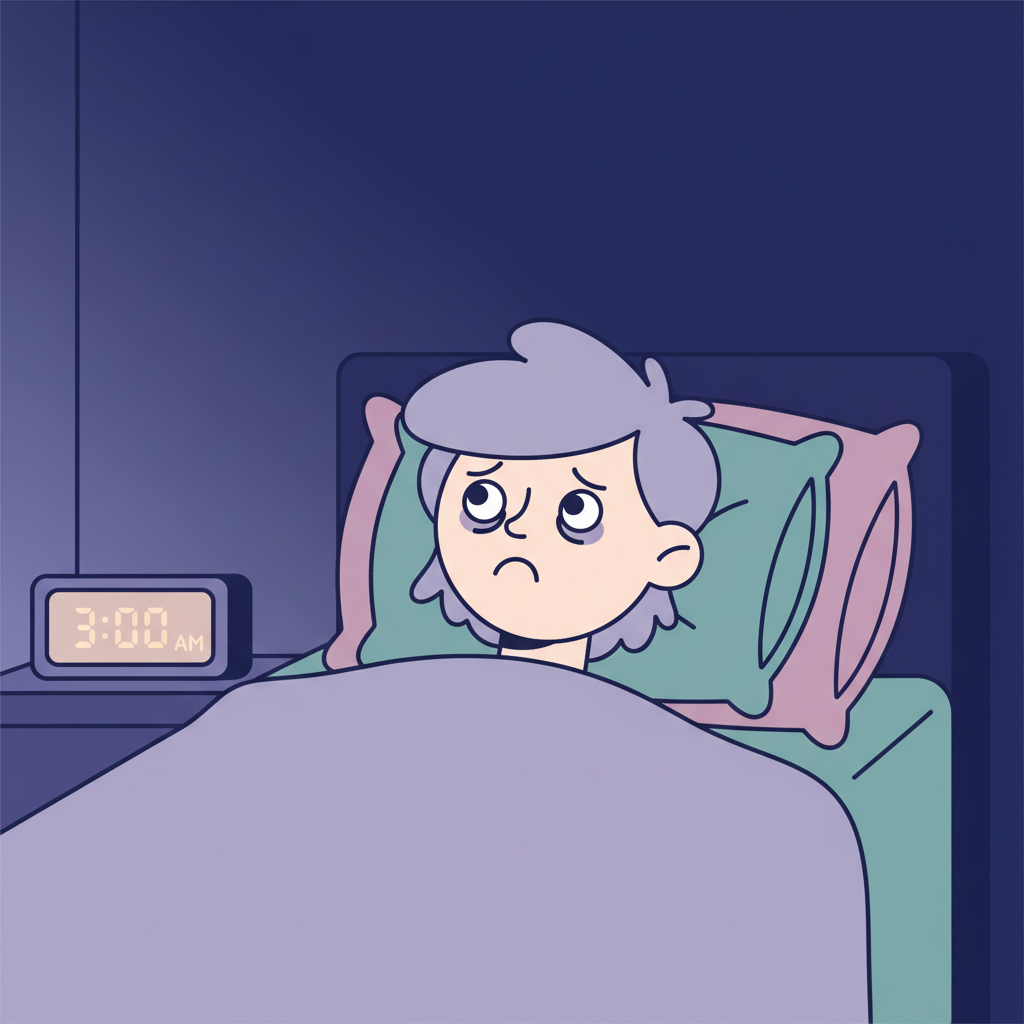
The WBTB trap is so real. I remember the first time I tried it, I felt like a genius at 3:00 AM, jotting down 'life-changing' business ideas in my dream journal, only to realize at 8:00 AM that I’d written nothing but nonsense about dancing poodles. The trick I eventually found was to never switch on a light—not even a small one. I use a red-light book lamp that stays pointed strictly at the paper, and I keep my eyes barely open, like a sleepy sloth. It’s less about 'waking up' and more about 'drifting into a state of semi-consciousness.' Have you tried keeping a voice recorder by your bed instead? Speaking might be less jarring than writing. It’s a delicate balance, but once you stop trying to fully wake your brain, the flow improves significantly.

I feel your pain completely. I spent six months trying to dial in WBTB and realized my mistake was being too 'productive' during that wake window. I used to reach for my dream journal and start analyzing everything in detail, which just activated my analytical brain way too much. Now, I keep a voice recorder by the bed and just mumble a few keywords instead of writing. It keeps the lights off and my brain in that drowsy, liminal state. Have you tried keeping the environment as dark as possible? Sometimes even looking at a notebook page under a lamp is enough to trigger a full wake-up cycle. Keep experimenting, but try to minimize the 'effort' during that window. It’s supposed to be a gentle transition, not a writing session!

Oh, the classic WBTB trap! I remember my first attempt at this technique—I ended up making tea and deep-diving into a documentary about deep-sea squids until 4 AM. It completely ruins the next day, doesn't it? The trick I found is to keep the lights incredibly low—like, 'barely functional' low—and minimize any blue light exposure. I literally keep a red light bulb in my bedroom so I don't signal to my brain that the day has started. Also, keep the pen and paper right by the bed so you don't even have to stand up. If you start walking around, you're toast. Are you getting back into bed within five minutes of waking up? That seems to be my golden window before the brain fully wakes up and starts planning the week ahead.
Oh, I feel this so deeply. I used to be exactly where you are, frantically jotting down dream journal entries only to find myself wide-eyed at 3:00 AM wondering if I locked the front door. The turning point for me was stopping the light exposure entirely. I keep a red-light penlight by my bed and a tiny notebook I can write in without actually turning on a lamp or sitting up fully. If I sit up, my brain thinks it is time to start the day. Now, I try to keep my movements as 'zombie-like' as possible. Have you tried keeping the environment completely dark while you jot? Also, if I feel that 'alert' wave hit, I switch to a monotonous audio track—like a dull podcast—just to anchor my mind back to sleepiness. Don't beat yourself up; it is a skill that takes practice.

Oh, the WBTB trap! I have been there so many times. I used to keep a journal right by my bed, and I found that if I turned on even a tiny light, my brain would immediately wake up and start thinking about grocery lists or work projects. The key for me was cutting out the blue light entirely. I now use a red-light book lamp that is just barely bright enough to see my notebook. Also, I keep the journal entry extremely short—just three words to anchor the dream—and I don't even look at the clock. If you start checking the time, the 'math' of how much sleep you have left kicks in, and that is a one-way ticket to staying awake for three hours. Are you finding that you're too alert because you're worried about falling back asleep?

Oh, the WBTB trap is notorious! I spent three months waking up at 3 AM to 'set intentions' for lucid dreaming, only to end up wandering around my kitchen eating cold leftovers and doom-scrolling until dawn. The mistake I was making—and maybe you are too—is flipping the light switch. I started keeping a red-light lamp by my bed and stopped looking at my journal entirely. Now I just mentally rehearse my plan for five minutes in the dark. It keeps my brain in that drowsy, hypnagogic borderland rather than jolting me into full 'daytime mode.' Have you tried just visualizing your dream recall instead of actually physically writing it down during that middle window? It might save you from that dreaded three-hour wakefulness.

I feel your pain—I went through the same frustrating WBTB cycle for months. As someone who trains for ultramarathons, I am used to disciplined sleep hygiene, but WBTB is a whole different beast. The secret that saved me was shortening the 'up' time significantly. I used to think I needed to sit up and journal for fifteen minutes, but that just fully wakes up your nervous system. Now, I do a very 'minimalist' version: alarm goes off, I keep my eyes mostly closed, sit up just long enough to down a few sips of water, and then immediately lie back down. If I touch my phone or check the time, the game is over. Have you tried keeping your eyes completely shut while doing your dream recall notes? It might help keep your brain in that fragile 'between' state.