Has anyone actually seen long-term benefits from sleep tracking rings or are they just expensive anxieties?
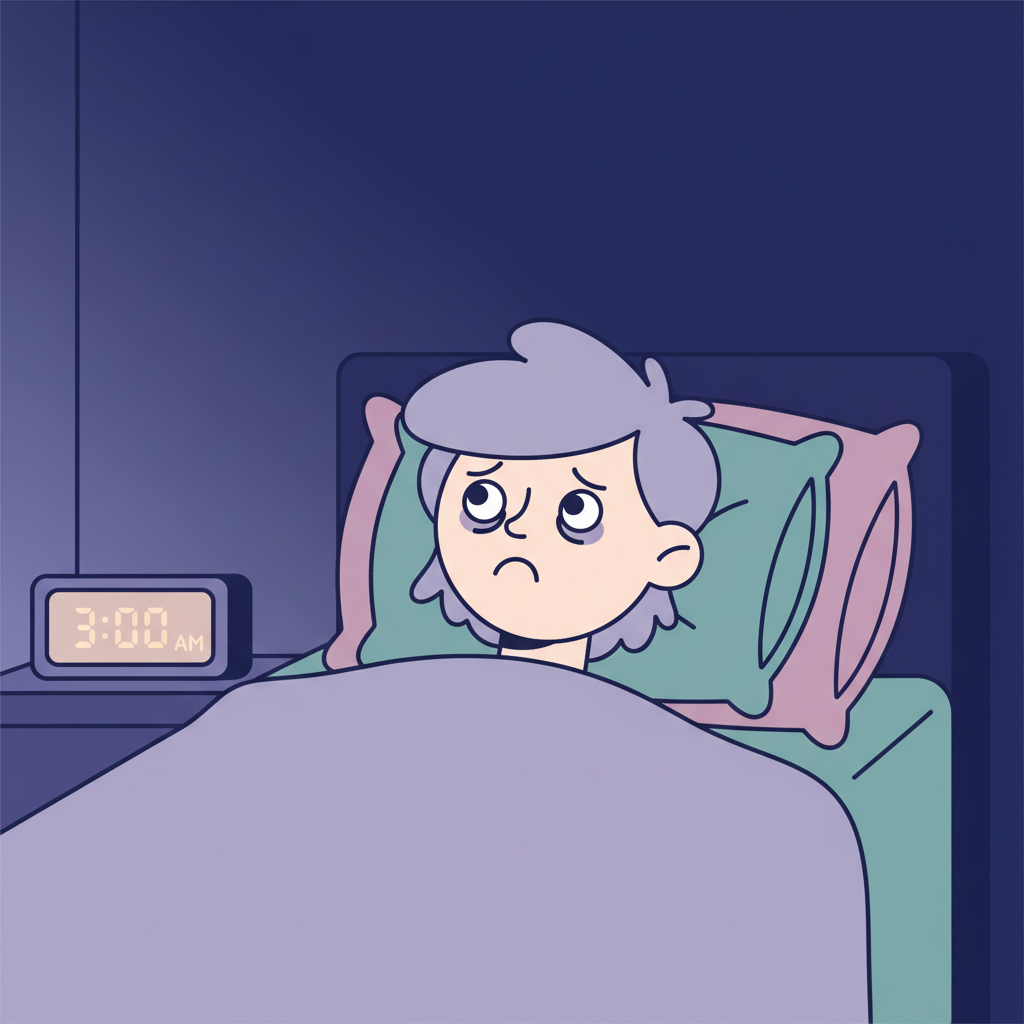
I recently dropped a small fortune on the latest sleep tracking ring, thinking it would finally be the missing piece of my recovery puzzle. For the first week, I felt like a biohacking genius, obsessively analyzing my REM cycles and readiness scores before I even reached for the coffee pot. But lately, I’ve noticed a weird side effect: if the ring tells me my sleep quality was 'poor,' I convince myself I'm exhausted, even if I felt fine five minutes ago. It’s like the data is gaslighting my own nervous system. I’m starting to wonder if the quantified self movement is actually hurting our intuition about how we feel. Has anyone else experienced this weird dependency on the data, or have you found a way to use these wearables without turning your nightly rest into another performance metric? I'd love to hear if these gadgets have genuinely improved your sleep or if they just create more things to worry about at 3:00 AM.
17 Replies

I totally hear you on the biohacking rabbit hole. I bought a similar tracker last year, and for the first month, I was obsessed with my 'readiness score' every morning. If it told me I had a bad night, I’d instantly feel groggy, even if I felt fine. Eventually, I realized I was suffering from orthosomnia—stressing about the quality of my sleep actually ruined my sleep. Now, I use it just to track long-term trends rather than daily fluctuations. It is useful for spotting patterns like how a late glass of wine destroys my REM cycle, but don't let it become a source of anxiety. If the ring is making you more stressed, maybe try a 'data detox' week and see how your body feels without the numerical feedback. Sometimes, listening to your own pulse is better than looking at an app.

Oh, I have been right where you are. I spent six months meticulously tracking my recovery scores, only to realize that when the ring told me I had a 'bad' night, I would manifest stress that ruined the entire next day. It became a self-fulfilling prophecy. I’m a competitive cyclist, and I eventually learned that my internal 'feel' for my recovery—how my legs move and how clear my head is—was almost always more accurate than a silicon sensor on my finger. Now, I use the data for long-term trends rather than daily anxiety. If you find yourself checking the app the second you wake up, try wearing it only every few days. Do you think the data is actually helping you make adjustments, or is it just providing a scorecard for your performance?

Oh, I feel this so deeply. I went through the exact same 'biohacking genius' phase with my ring until I realized that 'orthosomnia'—the anxiety over getting the perfect sleep score—was actually the biggest thief of my rest. As a software developer, I love data, but sleep data is notoriously noisy. I started noticing that if I had a stressful day, I’d subconsciously fixate on my ring’s score, which would then make me sleep worse the next night, creating a nasty feedback loop. I eventually decided to stop looking at the app for anything other than long-term trends, like my resting heart rate over months. If you feel rested, trust that feeling over the ring. Are you finding that the data is helping you identify actual triggers, or is it just making you dread looking at your phone every morning?
As someone who has been studying circadian rhythms for years, I have to play the skeptic here. These rings are fascinating pieces of hardware, but we must remember they are approximations, not clinical sleep labs. They measure peripheral metrics like movement and heart rate variability to guess your sleep stages. If your ring is causing you anxiety, the physiological stress of that worry is almost certainly doing more damage to your recovery than whatever sleep 'deficit' the app is reporting. I suggest turning off the daily notifications. If you can’t look at the data without it impacting your mood, it’s not a tool for wellness; it’s an expensive stressor. Have you considered doing a 'ring detox' for a week just to see if your subjective feeling of wakefulness improves when you aren't checking the score?
I feel your pain. I spent three months religiously wearing a tracking ring and it turned my peaceful bedtime routine into a high-stakes performance art project. Every morning I’d wake up and check my 'readiness' score before I even opened my eyes. If the app said I slept poorly, I’d suddenly feel sluggish, even if I’d actually felt fine. I call it 'orthosomnia'—the obsessive quest for perfect sleep data actually ruining your sleep. I finally took it off for a month, and guess what? I slept better because I stopped worrying about the numbers. Data is cool, but it is not the ultimate authority on how you feel. Are you tracking to improve your health, or has it become a numbers game for the sake of the graph? Sometimes, the most 'biohacker' thing you can do is listen to your own body instead of a sensor.
I completely understand that feeling. I bought a ring about six months ago, and honestly, the 'biohacking genius' phase lasted exactly ten days for me, too. It eventually shifted into this weird game where I felt like a failure if my readiness score dropped, even if I actually felt fine. As a software engineer, I love data, but I realized I was using the app to override my own intuition. Now, I use it more as a trend monitor over weeks rather than a daily report card. I’ve stopped looking at the score the moment I wake up, which has been a huge mental relief. Have you tried turning off the notifications so it doesn't greet you with 'recovery is low' before you've even had coffee? Sometimes the best recovery tool is just listening to your body instead of a sensor.

I look at these rings as expensive mirrors; they reflect your stress levels, but they don't necessarily provide the wisdom to lower them. I am a marathon runner, and I have found that tracking is only useful when you already have a stable foundation. If you are using the data to justify why you feel like garbage, you are already behind. I stopped relying on the 'readiness' score because my body often knows better than the algorithm. If I feel heavy, I take a rest day, regardless of what the app says. Are you actually using the data to change your daily habits, or are you just using it to grade your performance? If it’s the latter, the anxiety is likely costing you more recovery than any blue-light filter could ever gain back.

Welcome to the club of expensive anxiety! I bought one of those rings about six months ago, and honestly, the first month was a nightmare. I found myself waking up and immediately checking my 'readiness score' before I even felt my own body. If the ring said I had poor recovery, I’d convince myself I was exhausted all day, even if I felt fine! It actually became a source of self-fulfilling prophecy. Now, I use it more as a long-term trend indicator rather than a daily report card. I look at my monthly averages to see how my lifestyle choices are impacting my health, but I ignore the daily notifications. Have you tried hiding the daily score and just checking it on Sundays? It might take the pressure off your morning.
I completely understand the frustration. From an engineering perspective, these rings are fantastic at collecting data, but they lack the context of human experience. I stopped wearing mine after three months because I found myself having 'orthosomnia'—I was so stressed about my 'readiness score' that it actually sabotaged my sleep quality! If your ring says you slept poorly but you wake up feeling refreshed, trust your body over the algorithm. These gadgets are merely tools, not the final authority on your health. Have you considered using the data to look for broad trends rather than agonizing over daily fluctuations? Sometimes, removing the device for a few nights is the best way to see if it’s genuinely helping or just feeding into that high-tech anxiety loop.
I had the exact same experience! When I first got my tracking ring, I was obsessed with checking my readiness score the moment I opened my eyes. It reached a point where if the app told me I had a bad sleep score, I would feel exhausted all day—even if I actually felt fine! That is the irony of these devices; they can create 'orthosomnia,' where the stress of trying to sleep perfectly ruins your actual sleep quality. I eventually started wearing the ring in 'stealth mode' where I don't look at the data for a few days at a time. I use it now only to spot long-term trends rather than daily fluctuations. It is a tool, not a judge. Does looking at the score make you feel more anxious or more empowered during your day?
I completely hear you. I spent six months wearing a ring, and honestly, the 'biohacking genius' phase crashed hard the moment I had a stressful week at work. My sleep score plummeted, and I found myself getting anxious about my recovery before I even got out of bed. It turned into a self-fulfilling prophecy; I was so stressed about the red 'low readiness' score that I actually slept worse. I eventually sold the ring and started focusing on how I actually felt when I woke up. Sometimes, the data is just noise that drowns out your body's natural signals. Have you noticed if you're actually feeling better despite what the ring says, or has the score become the ultimate truth for you?
I hate to be the bearer of bad news, but those rings are often just expensive anxiety machines. When I started tracking my sleep, I felt like I was failing at life every time I saw a 'poor' recovery night. My therapist eventually pointed out that the anxiety about sleep was doing way more damage to my nervous system than a bad night of rest ever could. I stopped wearing mine at night and transitioned to using it only for activity tracking. It changed my relationship with my body entirely. Don't let the silicon dictate how you feel when you wake up. Are you finding that the data makes you more anxious, or does it actually help you make lifestyle changes?

I completely hear you. When I first got my tracker, I turned into a real data-obsessive, checking my 'readiness score' before I even opened my eyes. It actually made my sleep worse because I started stressing about not hitting my targets! Honestly, I think the real benefit isn't the daily number, but the long-term trends. I found that seeing the data proved my suspicion that caffeine after 2 PM was killing my deep sleep. It was a wake-up call to change my habits. Have you tried ignoring the app for a few days to see if you actually feel better without the constant feedback loop? It might just be that you’re hyper-focusing on the metrics instead of how you actually feel when you wake up.
Oh, I feel this so deeply. I went through the exact same phase with my ring last year, and I call it 'orthosomnia'—the obsessive drive to have the 'perfect' sleep score. For me, the ring actually became a stressor. If I saw a low readiness score, I'd mentally talk myself into being exhausted before I even got out of bed! I ended up ditching the app notifications entirely. Now, I only look at the data once a week to spot trends rather than obsessing over the nightly spikes. It's a useful tool if you use it as a compass, but it’s a terrible master. If you aren't feeling better, maybe try ignoring the ring for three days and listen to your body instead. Does your morning energy match what the ring tells you, or is the device just messing with your head?

I completely understand the 'expensive anxiety' trap. I bought a tracker about six months ago hoping for clarity, but I found myself checking my 'readiness score' before I even opened my eyes. If the ring told me I slept poorly, I’d convince myself I was exhausted all day, even if I felt fine! It actually created a psychosomatic cycle where the data dictated my mood. I’ve since stopped wearing it every night. I keep it for when I’m training for a marathon or feeling particularly burnt out, but otherwise, I trust my body’s internal barometer more. Have you considered trying a 'blind week' where you hide the ring and see if your actual perceived energy matches what the app says?
I totally feel your pain. I spent three months obsessively checking my readiness score on my ring every morning, and honestly? It turned me into a nervous wreck. If my recovery score was low, I’d subconsciously feel sluggish all day, even if I actually slept fine. As a data analyst, I love the idea of quantifying sleep, but the 'orthosomnia' trap is so real. I eventually had to switch to 'no-data' days on weekends just to reconnect with how my body actually feels without an app telling me I'm tired. It’s a tool, not a therapist. Maybe try setting it to only track trends over weeks rather than daily metrics? It really helped me stop obsessing over the number on the screen.
I hear you. I went through the exact same phase with my ring. At first, it feels like you're unlocking your body's source code, right? But after three months, I noticed that if my score dipped, I'd subconsciously convince myself I was exhausted before I even got out of bed. It turned into 'orthosomnia'—an anxiety about the quality of sleep that actually ruins the sleep itself. I eventually started wearing mine only three days a week instead of every night. It gives me enough trend data to see if my recovery patterns are holding up without the daily obsession. Do you think you're looking for actionable data to change your habits, or are you just seeking validation that you slept 'well' enough? Sometimes, the best biohack is just trusting your body's own internal clock and ditching the sensors for a while.