Does anyone else find that valerian root actually makes their sleep quality worse lately?

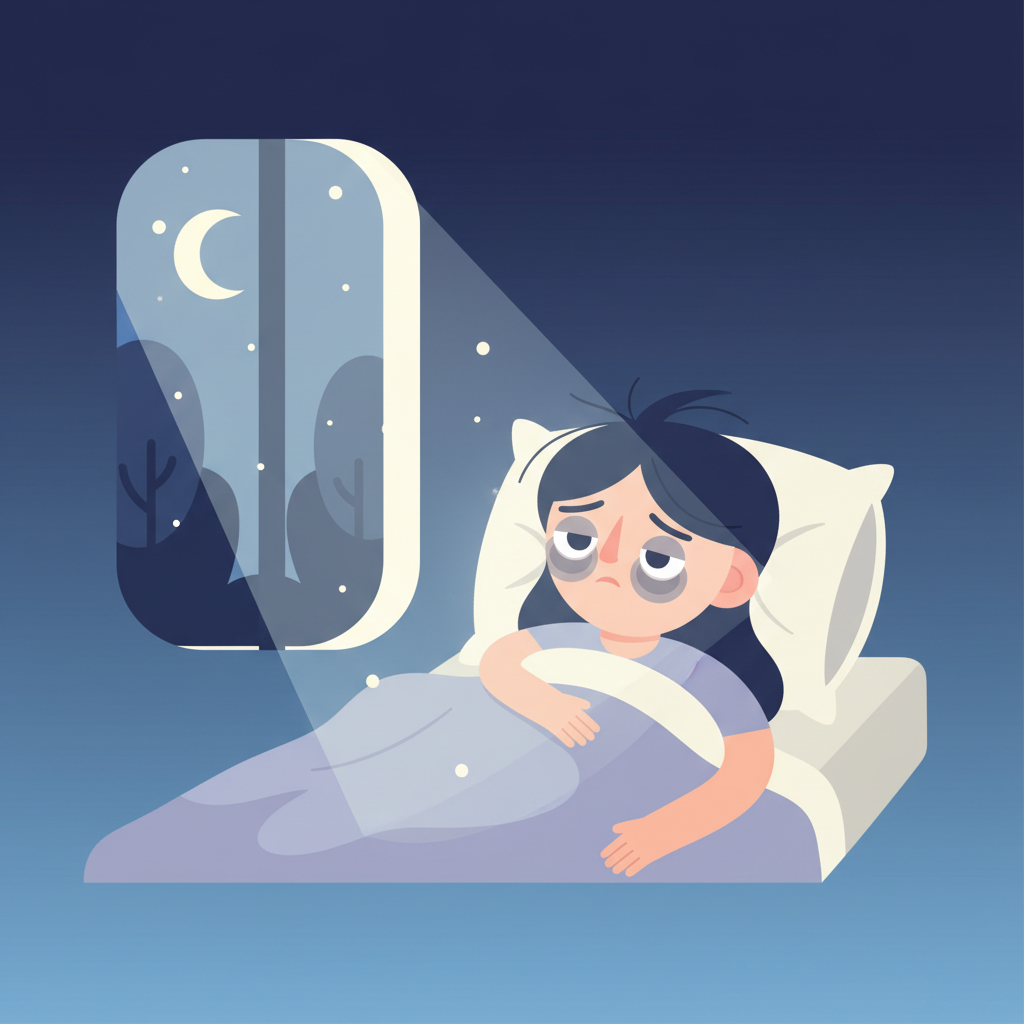
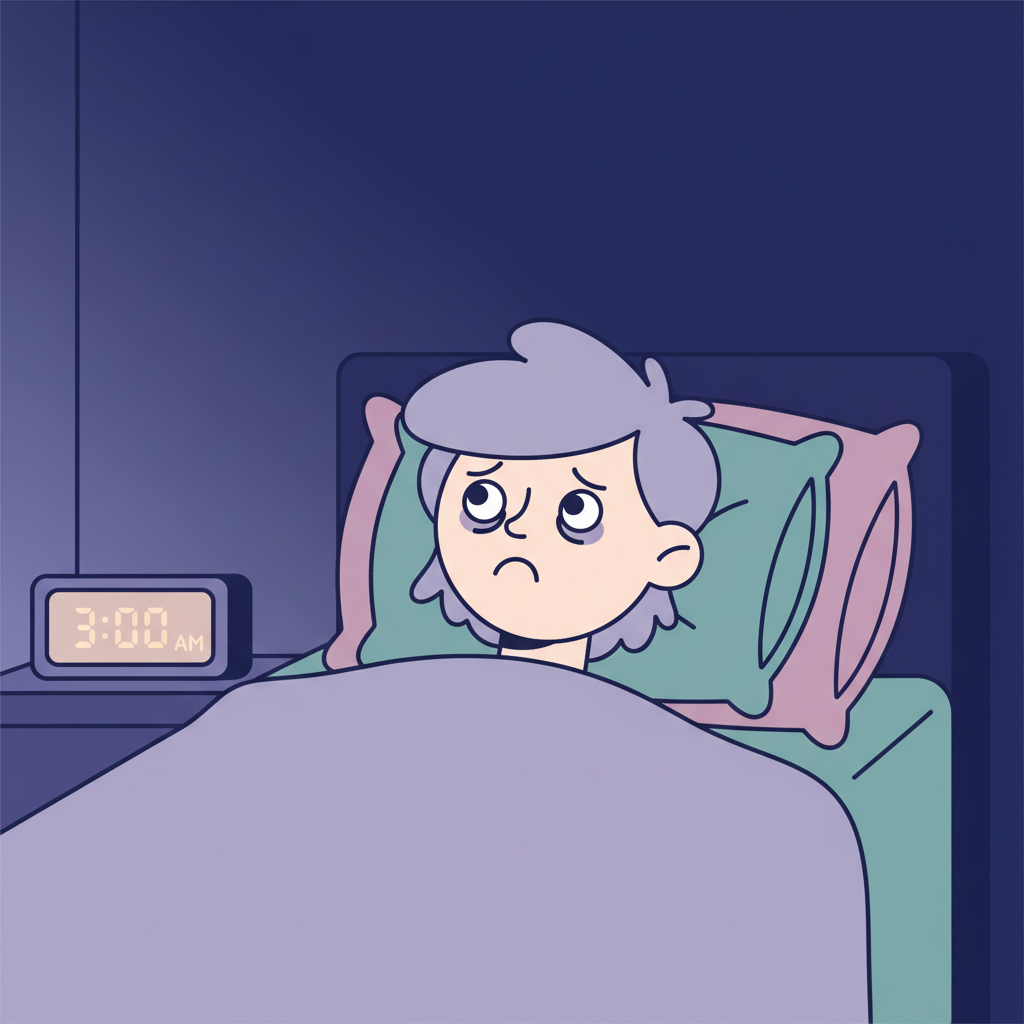
I have been cycling through different herbal remedies for months, and I finally decided to lean into valerian root tea after reading about its sedative properties. The smell alone is enough to wake the dead—it is earthy, pungent, and honestly, a bit offensive—but I committed to the ritual for two weeks. While it definitely helps me drift off initially, I have noticed I am waking up with incredibly vivid, almost stressful dreams around 3 AM. It feels like my brain is stuck in a loop of high-frequency processing instead of settling into deep, restorative cycles. Is this a common side effect for everyone else, or is my chemistry just rejecting this specific root? I am genuinely curious if anyone has had a similar reaction or if I should be pairing it with something else like magnesium or lavender to smooth out those jagged sleep stages. I really wanted to ditch the pills, but this 'natural' path is turning out to be more complicated than I anticipated.
6 Replies
Oh, I feel your pain with that smell—it is absolutely wretched, isn't it? As someone who has spent years experimenting with nootropics and herbal supplements to optimize my REM cycles, I have actually encountered the same issue. While the literature touts valerian as a sedative, for a small subset of people, it seems to cause a paradoxical 'rebound' effect, leaving you groggy and restless instead of deeply sedated. My theory is that it might be interfering with your natural GABAergic pathways rather than gently assisting them. Have you considered trying something like L-theanine or even magnesium glycinate instead? They tend to be much more predictable and significantly less smelly. Don't feel like you've failed if a 'classic' remedy doesn't work for your unique biochemistry; our sleep profiles are as distinct as our fingerprints. Are you tracking your sleep data with a wearable when you take it?

I completely hear you on that. Valerian root is notorious for this paradox; for some people, the chemical profile acts as a sedative, but for others, it has a strange 'rebound effect' that induces vivid dreams or even a racing heart. As someone who has spent years experimenting with herbal stacks, I found that the quality of the root matters immensely—a lot of store-bought teas are oxidized, which might be why it feels like it's waking you up instead of soothing you. Have you tried isolating the valerenic acid in supplement form, or are you strictly sticking to the tea? Sometimes the ritual of the tea is comforting, but the actual botanical compound might be fighting your specific neurochemistry. I had to stop using it altogether because it made me feel groggy and 'unreal' the next morning. Maybe your body is trying to tell you that this particular herb just isn't in your corner right now.
Oh, I totally feel your pain on the valerian root front! That smell is absolutely atrocious—it’s like damp socks steeped in hot water, right? I tried it for about a week last winter, hoping for that natural sedation everyone raves about, but it had the opposite effect on me. Instead of drifting off, I found myself wide awake and hyper-aware of every creak in my apartment. My hypothesis is that for some of us with specific genetic variations in GABA metabolism, the compounds in valerian might cause a paradoxical excitatory effect. It's frustrating when you're looking for a natural fix and end up more restless than before. Have you tried switching to magnesium glycinate instead? I found that it helps calm the nervous system without that weird, heavy, or wired feeling that herbal teas sometimes trigger. Are you noticing if it affects your heart rate at all when you take it?
Valerian root is notorious for this paradox! While it works for many, for a segment of the population, it actually acts as a stimulant instead of a sedative. It’s fascinating how our individual neurochemistry responds so differently to the same herbal profile. I spent years in a lab studying sleep patterns, and I've seen 'calming' supplements trigger heart palpitations in people with specific metabolic pathways. That smell you mentioned? That’s the isovaleric acid, which is definitely an acquired taste—or a dealbreaker. If it's making your quality worse, stop pushing through it. Your body is giving you clear feedback, and it's time to listen to that instead of the marketing copy.
Oh, I feel your pain. The smell of valerian root is honestly reminiscent of dirty gym socks, which doesn't exactly scream 'relaxation' to me either! As an herbalist, I see this a lot; while valerian is a classic sedative, it contains compounds that can actually be stimulating for a small subset of people. It’s like a biological roll of the dice. If it’s leaving you groggy or restless, your body might be reacting to the valerenic acid in an excitatory way rather than a calming one. Have you considered trying passionflower or lemon balm instead? They tend to be much gentler on the nervous system and don't carry that aggressive, pungent aroma. It might be time to toss that tea and find something that doesn't feel like a chore to consume before bed. Your sleep should be a sanctuary, not a science experiment with bad odors!

Oh, I feel this. Valerian root is notorious for being a 'paradoxical' herb for a subset of people. While it helps many, it can actually act as a stimulant for those with certain genetic markers regarding GABA receptors. I tried it for a month, and instead of feeling sedated, I felt like my brain was buzzing in the middle of the night—I was physically exhausted but mentally wired. It was incredibly frustrating. You are definitely not alone in that experience. Have you considered trying something like L-Theanine or even just a warm magnesium drink instead? Sometimes the 'natural' route needs a bit of tailoring to see what your specific body chemistry actually tolerates.