Has Anyone Tried Combining Magnesium Glycinate With L-Theanine for Deep, Uninterrupted Sleep Cycles?
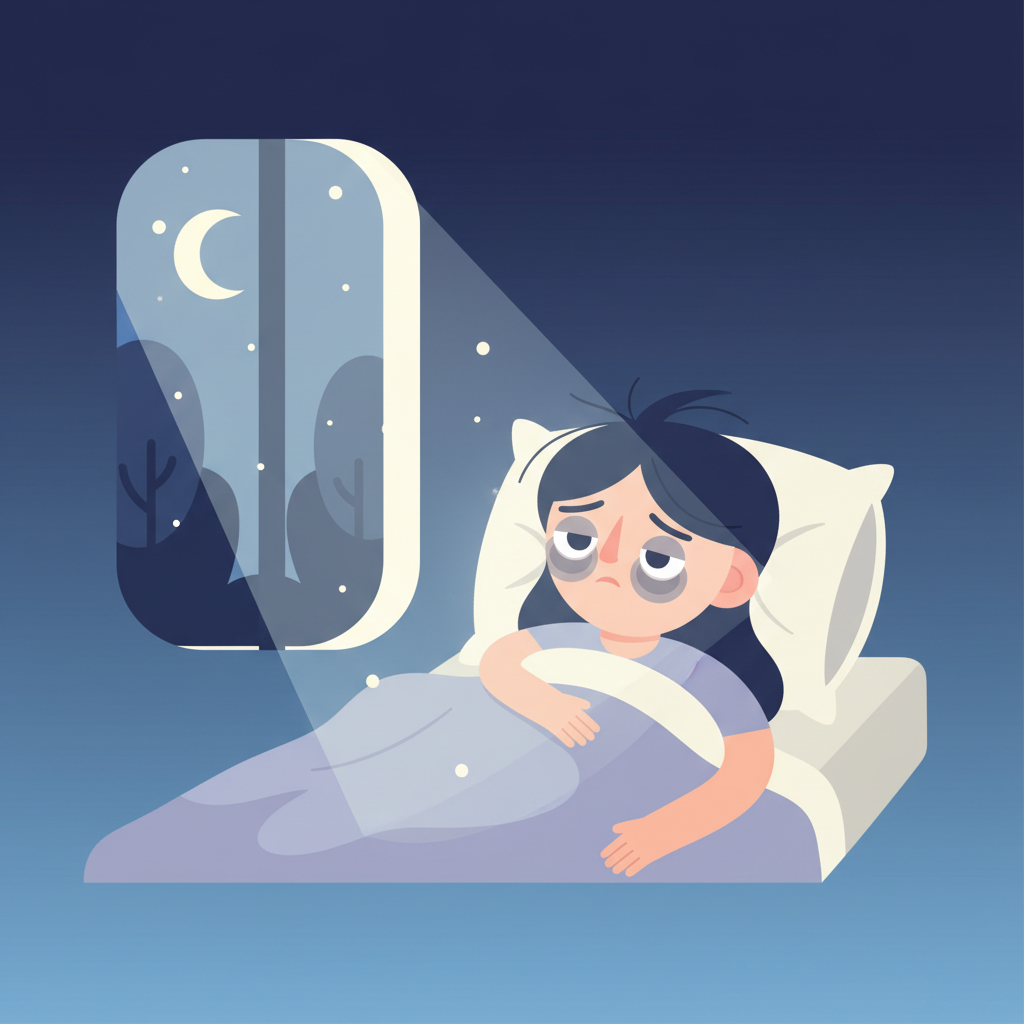
I have been spiraling down the supplement rabbit hole lately because my Oura ring keeps telling me my deep sleep is practically non-existent. I finally decided to experiment with a stack of 400mg Magnesium Glycinate and 200mg L-Theanine about an hour before bed. Honestly, the first two nights felt like I had been sedated in the best way possible—no more waking up at 3:00 AM to ruminate about emails or that awkward thing I said in 2014. However, I’ve started feeling a bit groggy during my morning HIIT sessions, which is throwing off my routine. Is it possible the L-Theanine is hanging around in my system too long, or is my body just adjusting to actually hitting REM consistently for once? I’m curious if anyone else here has played with these ratios or if you find that adding something like apigenin or glycine actually helps balance the morning sluggishness. I love the sleep quality, but I’m struggling to find that sweet spot where I feel sharp immediately upon waking up.
11 Replies

I've run this exact protocol for about six months now. The Magnesium Glycinate is fantastic for physical relaxation, but be careful with the L-Theanine. While it’s great for anxiety, I found that taking it too late actually increased my 'sleep latency'—it made my mind feel too 'calmly alert' rather than ready to power down. Also, don't put all your eggs in the Oura basket; those sensors are great for trends, but they aren't clinical-grade EEGs. Have you considered looking at your blood glucose levels? I found that my deep sleep plummeted whenever I had a high-carb snack too close to bed, regardless of my supplement stack. Sometimes the most advanced solution is just a boring, early dinner. Are you tracking your dietary intake alongside the supplement data?

I have been testing this exact combination for about three months now. As someone who treats sleep like a performance metric, I found that 400mg of Magnesium Glycinate is solid, but adding L-Theanine was the game-changer for my 'sleep latency' scores. Theanine really helps quiet that analytical loop that keeps my brain firing at 2 AM. However, have you looked into your daytime caffeine threshold? I noticed my deep sleep phases only actually improved once I cut off all stimulants by noon. Supplements are great, but they are fighting a losing battle if your adenosine receptors are still flooded by bedtime. Does your Oura app show any correlation between your workout intensity and these specific sleep cycles, or does it seem random regardless of your activity level?

I have been testing that exact stack for the last three months, and honestly, the results have been mixed. The Magnesium Glycinate definitely helps with the physical muscle relaxation, but I found that L-Theanine can occasionally make me feel a bit 'wired' if I take it too close to bedtime, almost like it is too good at clearing the brain fog. It is a subtle balance. I started adding a tiny bit of tart cherry juice to the mix, and that seems to have leveled out my deep sleep cycles according to my tracker. Have you looked into your baseline B-vitamin levels? Sometimes supplements like that interact weirdly if you are already deficient in something else. Are you taking them with dinner or right before bed? That timing shift made a massive difference in my own experiment.
I totally feel your pain with the Oura ring data. I spent months obsessing over those 'deep sleep' metrics until I realized that watching the app become a stressor was actually keeping me awake! As a long-time researcher, I’ve tried the magnesium glycinate and L-theanine combo myself. The L-theanine is fantastic for quieting that 'racing mind' chatter, but I found the dosage matters immensely. 400mg of magnesium is a solid amount, but have you considered adding a small amount of apigenin to that stack? It’s been a game-changer for my sleep architecture. Also, are you taking these right at bedtime, or have you tried spacing them out? Sometimes the bioavailability curve is tricky. Just keep in mind that these trackers aren't medical-grade EGGs, so try to balance the data with how you actually feel when you wake up. Are you feeling groggy, or just worried because the screen tells you to be?

I applaud your dedication to the data, but as someone who spent years obsessing over Oura rings and sleep scores, I’d offer a gentle word of caution. The 'rabbit hole' of stacking supplements can sometimes create its own kind of performance anxiety, which is the antithesis of deep sleep. I tried the magnesium and L-theanine stack myself—it definitely helped with the initial 'shutting down' phase, but I found that my deep sleep only really stabilized when I stopped looking at the ring metrics every morning. Are you finding the data makes you more relaxed or does it actually stress you out seeing those low numbers? Sometimes the best supplement is just a bit of physiological distance from the technology. Just curious, have you noticed any change in your morning heart rate variability since you started the stack?

That is a fascinating stack! As a chemist, I am always wary of the 'more is better' mentality, but 400mg of magnesium glycinate is a solid standard for muscle relaxation. Adding L-Theanine is a clever move because it targets the alpha brain waves to calm that pre-sleep racing mind. Personally, I found that taking them too close to bedtime made me a bit groggy in the morning, so I moved my dosing to about two hours before hitting the sheets. Have you checked if your magnesium supplement has any hidden fillers? Sometimes the binders in cheaper capsules cause more GI distress than the actual mineral. I would love to hear if your Oura data actually shifts after a week of this. Don't stress too much about the tracker data though; sometimes chasing the perfect sleep score becomes the exact thing that keeps us awake!

I totally feel you on the 'Oura ring data anxiety'—it's a real rabbit hole. I tried that exact combo last winter when my deep sleep was bottoming out. The L-Theanine definitely helped quiet my brain noise, and the magnesium took the edge off my restless legs, but I found that 400mg of magnesium was a bit heavy for my stomach initially. You might want to titrate up slowly if you haven't already. Have you noticed if your REM sleep is affected by the L-Theanine? I found it helped my deep sleep scores, but I started dreaming a bit more intensely than usual. Also, keep in mind that Oura is just an estimate—don't let the graph ruin your mood if you wake up feeling somewhat refreshed despite the numbers. Sometimes the pursuit of the 'perfect' sleep score actually sabotages the sleep itself, you know?

I completely understand the frustration of seeing those flatlined deep sleep scores on the Oura app—it’s like being haunted by your own data! I actually tried the exact magnesium glycinate and L-theanine stack you’re experimenting with for about three months. Initially, the L-theanine really quieted that 'racing brain' chatter at 2 AM, which helped me fall asleep faster, but I didn't see a massive jump in deep sleep until I paired it with evening light discipline. Are you timing your magnesium intake strictly before bed, or are you taking it earlier in the day? Sometimes I wonder if these wearables make us more anxious about our sleep, ironically preventing the very deep sleep we're chasing. Keep us posted on whether you notice a shift in your recovery scores after a week or two—I'm curious if your baseline trends upward once the placebo effect wears off.
I have been running this exact stack for about six months now, and I think you are onto something. As someone who spends far too much time staring at raw data trends, I found that the 400mg of Magnesium Glycinate really helps with the physical relaxation, while the L-Theanine is the secret sauce for shutting down the 'mental chatter' that keeps me awake at 3 AM. Don't get discouraged if the Oura ring doesn't reflect the change immediately. My HRV stayed flat for the first week before it finally started showing that beautiful climb toward better recovery. Have you considered cycling the L-Theanine though? I found that if I take it every single night without a break, the sedative effect starts to taper off a bit. Keep track of how you feel upon waking rather than just the ring stats, as sometimes the subjective 'refreshed' feeling beats the algorithm.
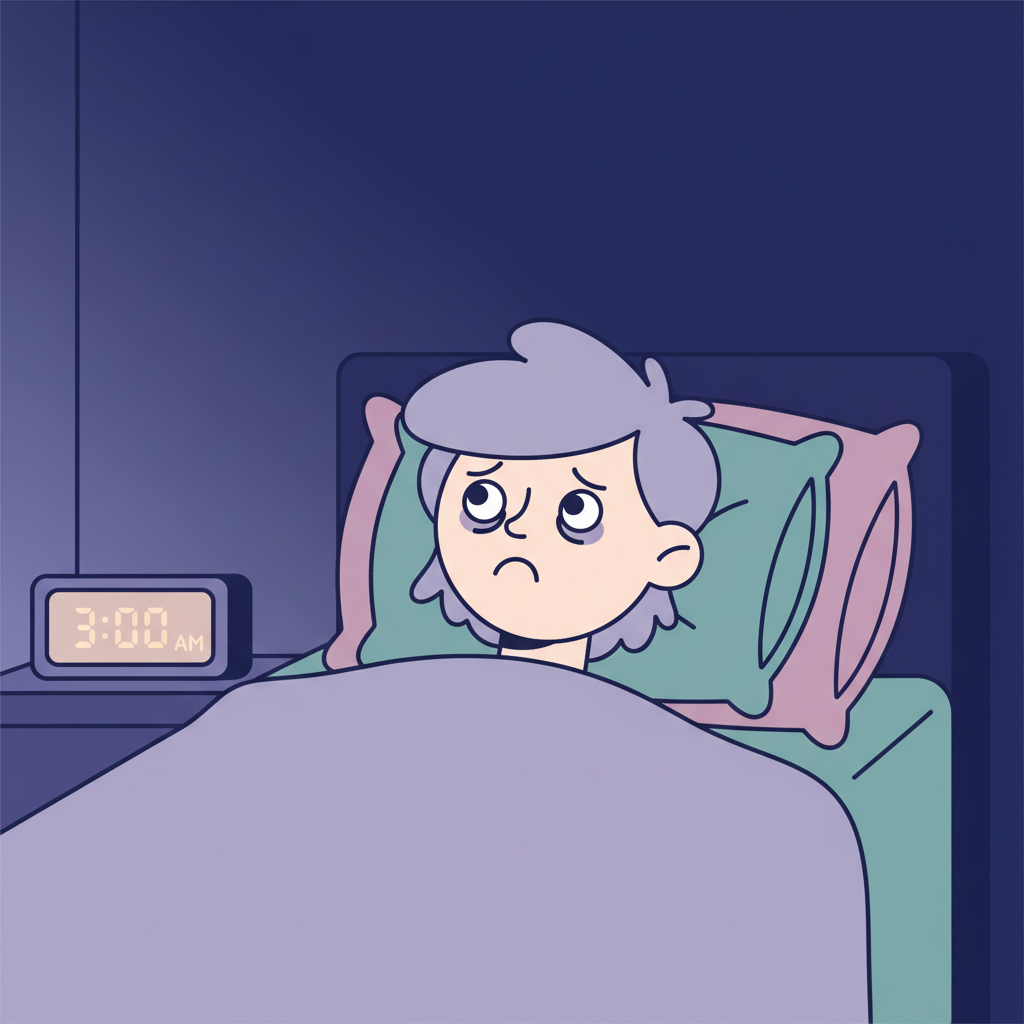
I have been using this exact stack for about six months, and while it isn't a magic button, it definitely smoothed out my latency. I am a competitive triathlete, so my body is usually buzzing with cortisol come bedtime. The 400mg of Magnesium Glycinate helped with the muscle twitching, but the L-Theanine was the real game changer for the 'monkey brain' I get at 3 AM. Just a word of caution though: keep an eye on your baseline. I found that if I rely on it every single night, my body stops producing its own natural calm. Have you noticed any weird vividness in your dreams since starting? I know some folks report that with L-Theanine, but personally, I just feel like I'm sinking into a much deeper, more restorative darkness.

I love the experimentation, but please be careful with the dosage! I’ve been using a magnesium and L-theanine stack for about six months, and while it definitely helps with that 'shut down' feeling, I found that 400mg of magnesium was actually way too much for my stomach initially. I had to titrate down to 200mg and build up slowly. As for the L-theanine, I only take it on the nights where I know my stress levels are through the roof. If you keep taking it every night, have you noticed if your vivid dreaming starts to increase? I found that my deep sleep metrics stabilized better when I treated the stack as an occasional tool rather than a nightly requirement. Don't let the Oura ring stress you out too much—the stress about the score can sometimes be what’s actually killing your sleep quality!