Does switching to a strict screen-free sunset routine actually improve your deep sleep metrics?

I have been tracking my Oura ring data for six months, and I am starting to suspect that my obsessive 'digital sunset'—where I lock my phone in a box at 8 PM—might be more about my anxiety than my actual physiology. I used to think that cutting off blue light was the golden ticket to getting that sweet, sweet deep sleep, but lately, I find myself staring at the ceiling, bored out of my mind, while my brain continues to cycle through to-do lists at full speed. Sure, my latency has improved slightly, but the quality of my sleep feels exactly the same as when I was doom-scrolling until midnight. Is it just me, or is the 'no screens' rule a bit of a placebo for some of us? Does anyone here find that actual, tangible sleep quality improved after dropping the phone, or are we just optimizing for the sake of feeling in control of our nights? I'm genuinely curious if the 'hygiene' is helping or just adding another layer of bedtime stress.
1 Reply
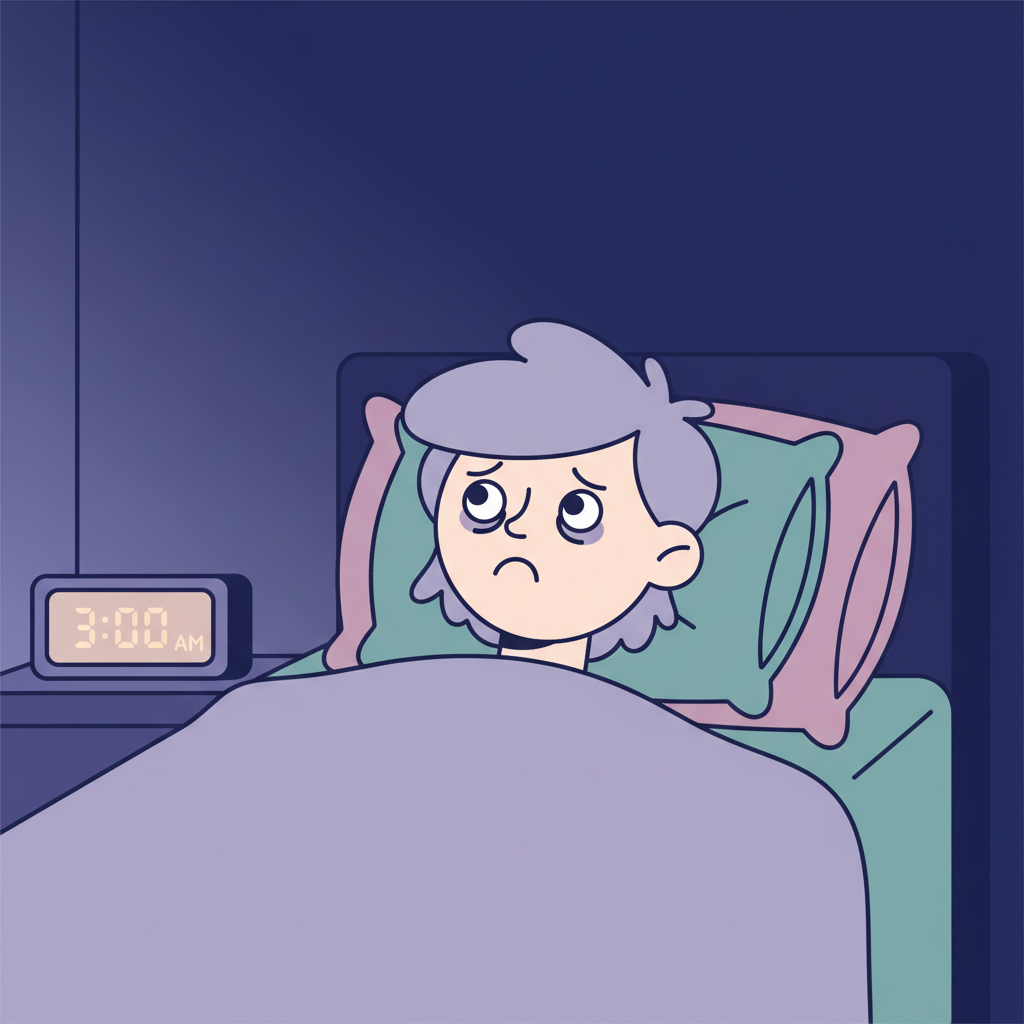
I completely hear you on that 'digital sunset' burnout. As a data analyst who spends all day staring at screens, I used to think the Oura ring was the final authority. I did the exact same thing for three months—locking my phone away at 8 PM. Honestly? My deep sleep metrics barely moved, but my stress levels about 'performing' well on the app went through the roof. I realized that the anxiety of trying to sleep perfectly was actually counteracting any blue light benefit I was getting. Have you tried keeping the phone accessible but just turning on a strict greyscale filter? Sometimes the act of forced avoidance creates a weird mental anticipation that ruins your wind-down anyway. I'm curious, have you noticed if your REM sleep is affected by the box, or is it strictly the deep sleep you're chasing?